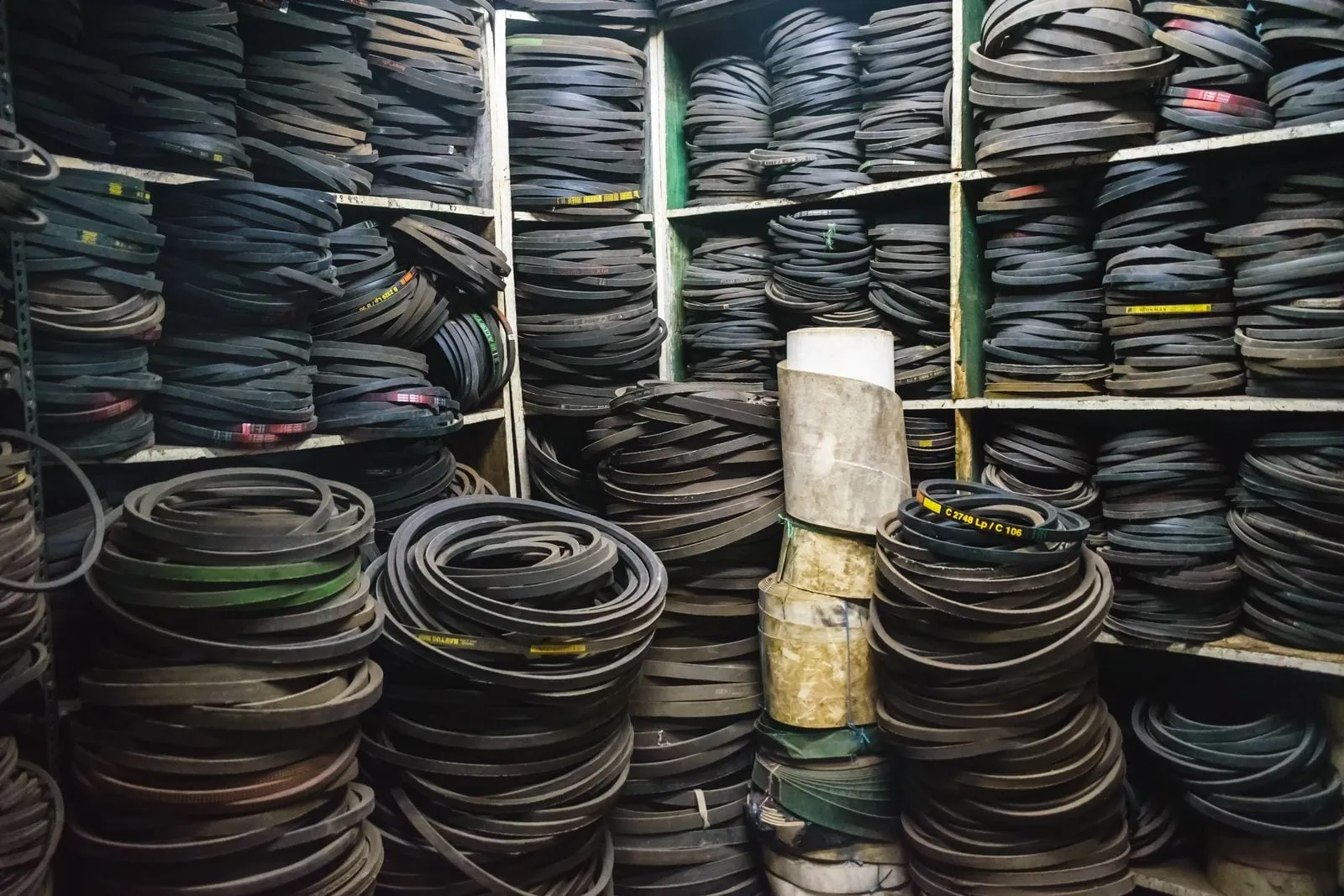
MRO inventory optimization
MRO Inventory Optimization: The Complete Guide
MRO inventory optimization is setting the right stock level for every maintenance, repair, and operations item — by criticality, consumption, and lead time — so you cut the 15–25% that typically runs excess or obsolete without risking downtime. Done well, AI-driven optimization can reduce inventory 20–30% while holding service levels.
Last updated July 2026
MRO inventory is where the waste hides. It's low-value per line but high-volume, demand is intermittent, criticality varies wildly, and the knowledge often lives in one veteran's head. The result: 15–25% of stock runs excess or obsolete, and it costs about a quarter of its value every year to hold.
Optimization isn't about holding less everywhere — it's about holding the right stock in the right place, tuned to how each part actually behaves.
What is MRO inventory optimization?
MRO inventory optimization is the discipline of stocking each spare and consumable at the level that balances downtime risk against carrying cost — using criticality, real consumption, and lead time rather than blanket rules or stale reorder points.
It differs from finished-goods inventory optimization because MRO demand is intermittent and a stockout can halt production. That makes criticality, not just turnover, the organizing principle.
Why MRO is uniquely hard
- Intermittent demand: many parts move a few times a year, defeating simple forecasting.
- Criticality varies: a $50 gasket can shut a line, while a $5,000 spare rarely matters.
- Tail spend: MRO is 5–10% of COGS but 70–80% of procurement transactions.
- Tribal knowledge: stocking decisions live in people's heads, not the system.
- Duplicate SKUs: multi-site and post-merger catalogs pile up overlapping parts.
The core methods
Optimization combines a handful of proven methods, applied per item rather than across the board:
| Method | What it does | Where it helps most |
|---|---|---|
| Criticality analysis | Ranks parts by the downtime impact of a stockout | Deciding what to protect vs. trim |
| Consumption-based reorder points | Sets triggers from actual usage and lead time | Killing stale, over-set reorder points |
| Safety stock by criticality | Differentiates buffers instead of one blanket rule | Cutting excess without adding risk |
| SKU rationalization | Removes duplicate and dead SKUs | Multi-site and post-merger catalogs |
| Surplus monetization | Values and sells what won't be used | Converting dead stock to cash |
What good looks like
The numbers to watch, with typical ranges for MRO-heavy operations and the mark of a strong program:
| Metric | Typical (MRO) | Strong |
|---|---|---|
| Excess & obsolete share | 15–25% | Under 10% |
| Days sales of inventory (DSI) | 90–180+ days | Under 90 days |
| Inventory turns | 2–4 turns/yr | 4+ turns/yr |
| Fill rate (critical spares) | 90–97% | 95%+ where it matters |
Directional ranges; see the benchmarks section for detail by industry.
The role of agentic AI
The hard part of MRO optimization has always been scale: no team can hand-tune reorder points, criticality, and disposition for hundreds of thousands of intermittent SKUs. That is exactly what agentic AI does — it runs the routine tuning and disposition continuously and surfaces the material calls for approval.
How to optimize MRO inventory (a practical sequence)
- 1
Consolidate item, usage, and purchasing data into one view across every storeroom and site.
- 2
Classify every SKU by criticality and real consumption — not by habit.
- 3
Right-size reorder points and safety stock per item, differentiated by criticality.
- 4
Rationalize duplicate and dead SKUs; value the surplus at fair market value and move it.
- 5
Automate the routine tuning and disposition, keeping a human in the loop for material decisions.
The numbers behind it
Frequently asked questions
What is MRO inventory optimization?
MRO inventory optimization is stocking each maintenance, repair, and operations item at the level that balances downtime risk against carrying cost — using criticality, real consumption, and lead time instead of blanket rules. Done well, it cuts the 15–25% of MRO stock that typically runs excess or obsolete without hurting availability.
How do you optimize spare parts inventory?
Classify each spare by criticality and consumption, right-size reorder points and safety stock per item (differentiated by criticality), rationalize duplicate and dead SKUs, and monetize true surplus — then automate the routine tuning with human approval on material decisions.
How much can you reduce MRO inventory?
AI-driven optimization can reduce inventory 20–30% while holding service levels. In MRO specifically, 15–25% of stock is typically excess or obsolete, so the headroom is large — provided cuts target the excess and obsolete tail rather than critical spares.
What is criticality-based stocking?
Criticality-based stocking sets inventory policy by the operational impact of a stockout rather than by part cost or turnover. A cheap part that would halt production gets protected; an expensive part with little downtime risk does not — which is how you cut MRO excess without adding risk.
See what your inventory is really costing you.
Tell us where the cash is trapped — excess stock, idle surplus, slow RFQs — and we'll show you the outcome Maintained can unlock.