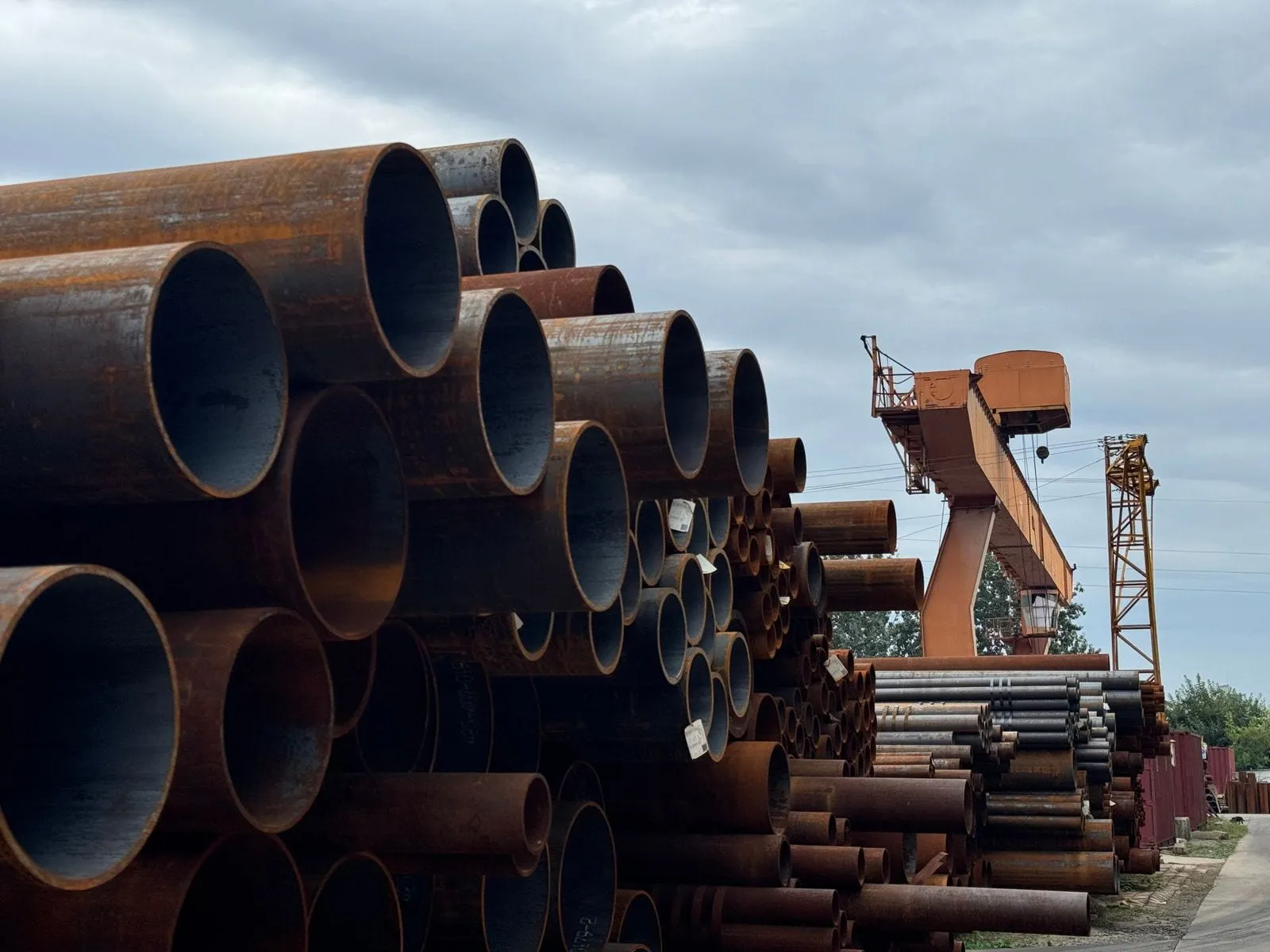
Surplus asset monetization
Surplus & Idle Asset Monetization: The Fair-Market-Value Playbook
To monetize surplus and idle assets, first establish each item's fair market value, then route it to the highest-recovery channel — internal redeployment, fair-market resale, or RFQ. Scrapping recovers only 5–15% of original cost, while documented, fair-market resale recovers far more.
Last updated July 2026
Surplus equipment and idle spares are a balance-sheet asset trapped as an operational afterthought. Because their value is unknown, they get scrapped for pennies or left to depreciate in a yard.
The unlock is valuation. Once every surplus line item carries a defensible fair market value, it becomes a priced, sellable position instead of an unknown pile.
The three value standards you need to know
- Fair market value (FMV): a willing-buyer, willing-seller price with normal marketing time — the highest standard.
- Orderly liquidation value (OLV): proceeds from a time-boxed sale over a few months.
- Forced liquidation value (FLV): immediate, auction-style disposal — the lowest, and what scrapping approximates.
Why documentation is worth 40–50%
Complete documentation and verified condition can add 40–50% to the secondary-market price of surplus equipment. Buyers pay for certainty; provenance and condition remove their risk.
That means recovery is as much a records problem as a channel problem — and it's one AI is well suited to solve at scale across thousands of line items.
The recovery waterfall
- Redeploy internally to a location that needs the item — the highest-value outcome.
- Resell at fair market value with documentation and an FMV-grounded quote.
- Liquidate or recycle only what has no internal use or resale demand.
- Approve dispositions with a human in the loop for anything material.
Which channel recovers the most
Each disposition channel trades speed for recovery. Routing each asset to the right one is where the value is won or lost:
| Channel | When to use | Typical recovery |
|---|---|---|
| Internal redeployment | Another site needs the item | Full value — avoids a new purchase |
| Fair-market resale | Real secondary demand + documentation | Highest external recovery (FMV) |
| Orderly liquidation | Time-boxed sale of a lot | Moderate — below FMV |
| Scrap / recycle | No internal use or resale demand | 5–15% of original cost |
The numbers behind it
Frequently asked questions
What documentation do you need to sell surplus industrial equipment?
The more provenance and condition detail, the higher the price: make, model, serial, purchase and service history, current condition and photos, and any certifications. Complete documentation and verified condition can add 40–50% to the secondary-market price, because buyers pay for certainty.
How long does it take to sell surplus industrial equipment?
It depends on the value standard you target. Fair-market resale assumes a normal marketing period — often weeks to a few months — while orderly liquidation compresses that to a time-boxed sale and forced (auction) liquidation is immediate but recovers the least.
How do you value idle industrial equipment?
You establish its fair market value — the price a willing buyer and seller would agree on with normal marketing time — using comparable sales, condition, and documentation. Fair market value is higher than orderly liquidation value, which is higher than forced (auction) liquidation value.
What is fair market value versus orderly and forced liquidation value?
Fair market value assumes a reasonable marketing period and normal conditions. Orderly liquidation value assumes a time-boxed sale over a few months. Forced liquidation value assumes immediate, auction-style disposal. FMV > OLV > FLV.
How much value do you lose by scrapping surplus?
Scrapping or forced disposal typically recovers only 5–15% of original cost, while complete documentation and verified condition can add 40–50% to a fair-market resale price — a large gap that valuing surplus properly captures.
How do you monetize surplus MRO inventory?
Establish fair market value for each item, redeploy what another location needs, and generate FMV-grounded resale quotes for the rest — with a human approving dispositions. This converts an unvalued pile into priced, sellable cash.