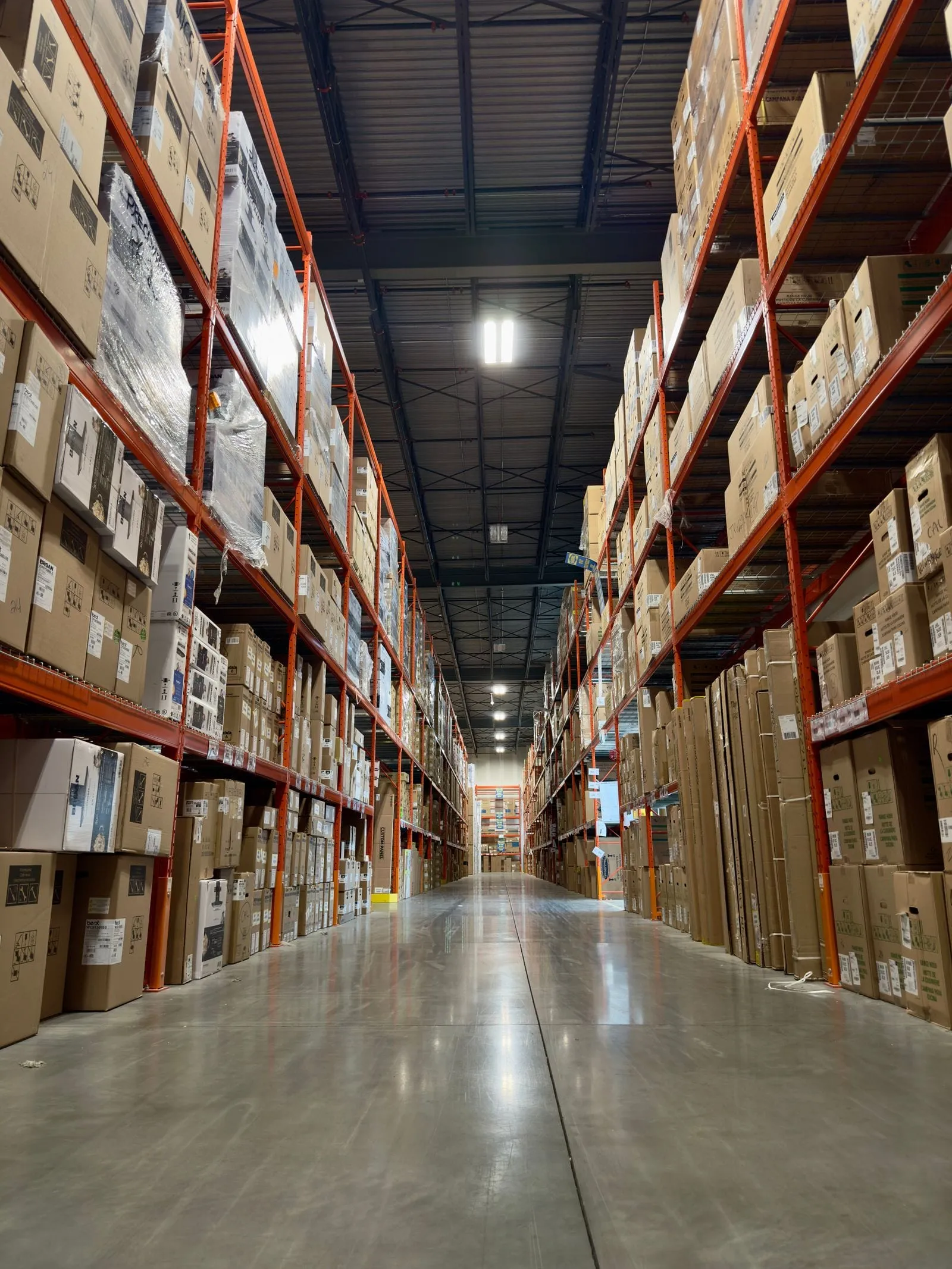
Excess & obsolete inventory
Excess & Obsolete Inventory: The Complete Guide for Distributors
Excess and obsolete inventory is stock that sells slowly or not at all, and it costs the typical distributor about 25% of its value every year. You reduce it by finding slow movers across every branch, redistributing what another location needs, right-sizing reorder points, and monetizing true dead stock at fair market value.
Last updated July 2026
In industrial distribution and MRO, 15–25% of inventory is commonly excess or obsolete. It accumulates quietly — a project leftover here, an over-buy there — until finance flags the write-off at year-end.
The problem isn't a lack of reports. It's that nobody can see, value, and act on the slow-moving tail across every branch at once. That is exactly the gap agentic AI closes.
What counts as excess and obsolete inventory
Excess inventory is stock beyond what near-term demand justifies; obsolete inventory has no forward demand at all. Together they're often called SLOB — slow-moving and obsolete.
The distinction matters because it dictates the action: excess can often be redistributed or sold down, while obsolete stock needs resale at fair market value or disposal.
What excess and obsolete inventory really costs
- Carrying cost of 20–30% of value per year — capital, storage, insurance, shrinkage, and obsolescence.
- Recurring write-offs that hit earnings and inflate the E&O reserve.
- Rack space and working capital denied to the stock that actually sells.
- Emergency buys when the right part is dead stock in a different branch.
How to reduce it — the outcome, not the mechanics
- See every slow-moving, excess, and obsolete SKU across all locations in one live view.
- Redistribute stock to the branch that needs it before buying new.
- Right-size reorder points so excess stops rebuilding itself.
- Value true dead stock at fair market value and route it to resale.
- Keep a human approving the disposition and value calls that carry risk.
What to do with each type of stock
Not every idle SKU deserves the same treatment. Matching the action to the signal is what turns a pile into a plan:
| Stock type | What it looks like | Best action |
|---|---|---|
| Excess | More on hand than near-term demand justifies | Redistribute to a branch that needs it; slow the buy |
| Slow-moving | Sells rarely, but still sells | Right-size the reorder point; mark down if needed |
| Obsolete / dead | No forward demand | Value at fair market value and resell, or liquidate in bulk |
| Surplus / idle assets | Equipment or spares sitting unused | Appraise and monetize, or redeploy internally |
The numbers behind it
Frequently asked questions
How do you identify slow-moving inventory?
Slow-moving inventory is identified by consumption rate — items whose usage over a trailing period is low relative to the stock on hand. A consumption-based classification across every location separates slow movers, dead stock, and surplus so each can be actioned differently.
How do you write down obsolete inventory?
Under GAAP, inventory is written down when its market value falls below cost, usually through an excess-and-obsolete (E&O) reserve calculated by age and consumption tiers. The write-down reduces inventory value on the balance sheet and hits earnings — which is why catching and clearing obsolescence early matters.
What is the difference between excess and obsolete inventory?
Excess inventory is stock beyond near-term demand but still sellable; obsolete inventory has no forward demand and will not sell through normal channels. Excess is often redistributed or marked down, while obsolete stock is resold at fair market value or disposed of.
What percentage of MRO inventory is typically excess or obsolete?
In industrial and MRO operations, 15–25% of inventory is commonly excess or obsolete because of service-level buffers, one-time project buys, and reorder points that are never revisited.
How much does excess inventory cost per year?
Carrying excess inventory costs roughly 20–30% of its value per year, and industry estimates put the all-in cost of obsolete stock at about 25% of value annually once storage, shrinkage, and cost of capital are included.
Can AI reduce excess and obsolete inventory?
Yes. AI can surface slow movers and imbalance across every branch, recommend redistribution before new buys, right-size reorder points, and value dead stock for resale — with people approving the material decisions. AI-driven optimization can cut inventory 20–30% while holding service levels.